An extraordinary and deeply impactful cinematic experience is set to grace
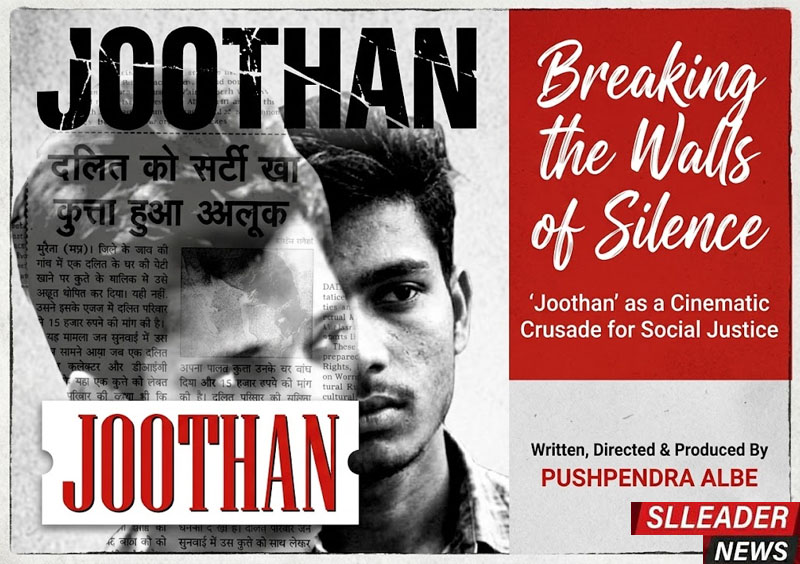
Sri Lankan silver screens in the near future. Having captured the attention of the global festival circuit and rewritten records in contemporary South Asian cinema, auteur filmmaker Pushpendra Albe’s Joothan is officially slated for an upcoming theatrical release in Sri Lanka.
Written, directed, and produced by Albe, Joothan bypasses the formulaic escapism of commercial Bollywood. Instead, it emerges as a formidable social drama that fiercely interrogates entrenched systemic prejudice, positioning itself as a vital piece of counter-cinema.

The Anatomy of Oppression: The Symbolism of 'Joothan'
The title Joothan carries immense socio-political weight. Translating literally to "scraps of food left on a plate, destined for the garbage or animals," it serves as a harrowing metaphor for the historical indignities endured by the Dalit community under India's caste hierarchy.
Drawing profound thematic inspiration from Omprakash Valmiki’s seminal 1997 Hindi autobiography, the film transposes this systemic trauma onto the canvas of rural primary education. Albe masterfully exposes how structural discrimination continues to gatekeep knowledge, transforming what should be a sanctuary of empowerment into a site of institutionalized humiliation.
Narrative Core: Santosh’s Defiance
The narrative unfolds in Banher, a remote village in Madhya Pradesh, where the arrival of an idealistic schoolteacher, Santosh (played with quiet intensity by Devesh Ranjan), disrupts the local hegemony. Perplexed by the stark absence of marginalized children in the classroom, Santosh uncovers a calculated ecosystem of caste-based exclusion.
What begins as an administrative intervention quickly escalates into ideological warfare. Santosh faces ruthless opposition from Ganpat, a tyrannical local despot who orchestrates a social boycott of the school to safeguard the status quo. The narrative tension is sustained not merely by this external conflict, but by the slow unraveling of Santosh’s own identity, keeping the audience suspended in psychological suspense until the final frame.
Global Acclaim and Structural Merit
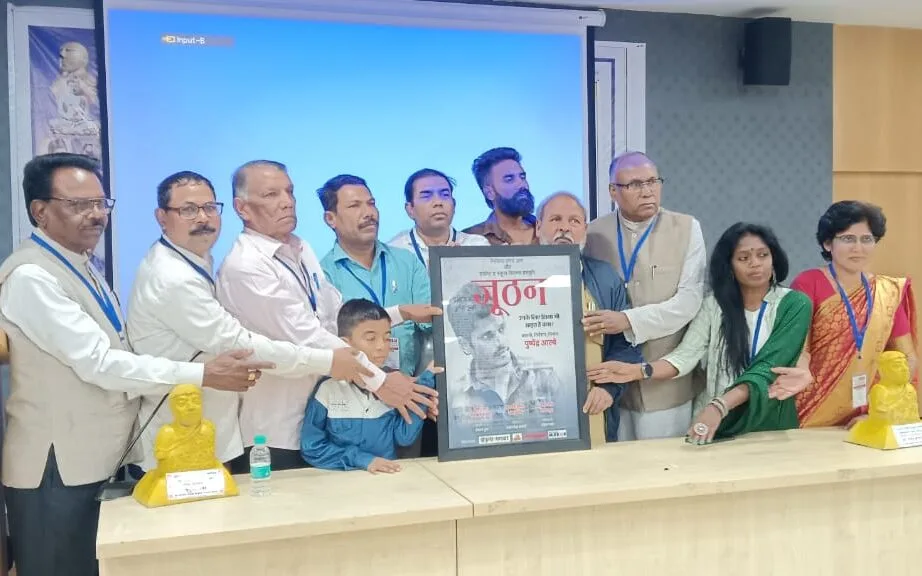
Joothan arrives in Sri Lanka with formidable international credentials, boasting a record-breaking 18 Best Film awards globally. It stood out as a finalist at the Jaipur and Vindhya International Film Festivals and secured an official selection at the Noida International Film Festival. Notably, through a partnership with the "Cinema in Schools" initiative, the film achieved a historic milestone as the first Indian feature to be screened across 100 screens in Ukraine, educating schoolchildren on global social issues.
From a critical standpoint, the film succeeds because it consciously avoids melodramatic tropes. The cinematography captures the stark, dusty claustrophobia of rural landscapes, mirroring the suffocating reality of the characters. Supported by a compelling ensemble cast—including Rimjhim Rajpoot, Kuldeep Kumar, and Naresh Kumar—the performances are grounded, authentic, and entirely devoid of theatrical exaggeration.
The Sri Lankan Connection
For local audiences, Joothan holds a distinct relevance. Sri Lanka Mirror serves as an official media partner for the film, bridging the regional cinematic landscape. Furthermore, Director Pushpendra Albe’s upcoming project is deeply intertwined with the island; his next film, currently in pre-production, chronicles the journey of an aspiring young cricketer from Jaffna chasing his dreams of national glory.

The Verdict
Joothan is not merely a motion picture; it is an urgent visual thesis on human dignity and the emancipatory power of education. For the discerning Sri Lankan cinephile, its upcoming theatrical release is an absolute must-watch—a poignant reminder that true social transformation begins when the marginalized refuse to settle for the scraps of society.
#Samaara